More
Beyond the Cut: Why Epigenetic Silencing is the Next Chapter for CRISPR in 2026
16 Apr , 2026
In late 2023, the world watched in awe as the first CRISPR therapy was approved. But in the fast-moving world of biotech, that was just the "dial-up" phase.
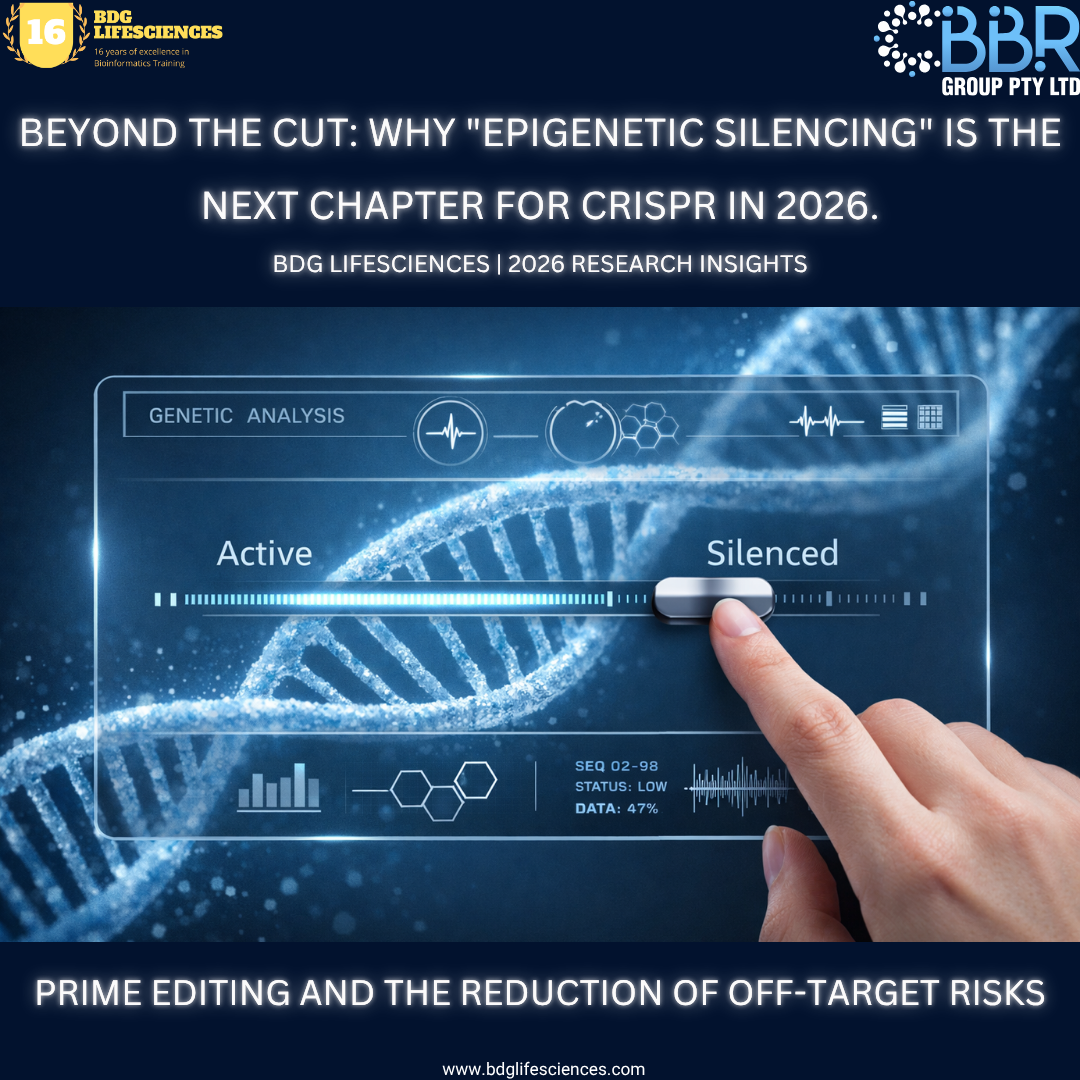
As we move through February 2026, the conversation has shifted. We are no longer just talking about "cutting" DNA (which can cause unintended double-strand breaks); we are talking about Prime Editing and Epigenetic Silencing.
The Breakthrough: One-Shot Cures for Common Diseases Just this month, clinical updates have shown that CRISPR can now be used to "switch off" the genes responsible for high cholesterol (PCSK9 and ANGPTL3) directly in the liver. We are moving away from treating only rare genetic disorders and toward solving global health crises like heart disease with a single infusion.
The CRISPR 2.0 Toolkit:
1. Prime Editing: Think of it as "Search and Replace" for the genome. It allows for precise insertions or deletions without breaking the double helix, significantly reducing "off-target" risks.
2. Epigenetic Editing: Instead of changing the DNA sequence, we are now learning to "dim" or "brighten" gene expression. This offers a potentially reversible way to treat diseases—a massive safety leap.
3. In Vivo Delivery: The biggest hurdle has always been delivery. In 2026, Lipid Nanoparticle (LNP) technology has matured, allowing us to send CRISPR machinery directly to specific organs like the liver or lungs without complex outside-the-body cell processing.
The Ethics: Where Do We Draw the Line? With great power comes the "Slippery Slope." As CRISPR becomes more accessible, the bioethics community is grappling with two major themes:
1. The Access Gap: Will these $2M+ "one-shot cures" only be available to the ultra-wealthy, widening the global health divide?
2. Therapy vs. Enhancement: While switching off a cholesterol gene is therapeutic, where is the boundary for traits like muscle density, cognitive performance, or longevity?
At BDG LifeSciences, we believe the future of CRISPR lies in Responsible Innovation. We aren't just teaching the tools; we are fostering the ethical framework that will govern the next century of human biology.
The CRISPR revolution is accelerating. Are you staying ahead of the regulatory and technical curve? Follow BDG Lifesciences for the latest updates on Gene Editing breakthroughs and Bioethics.